

The End of an Era

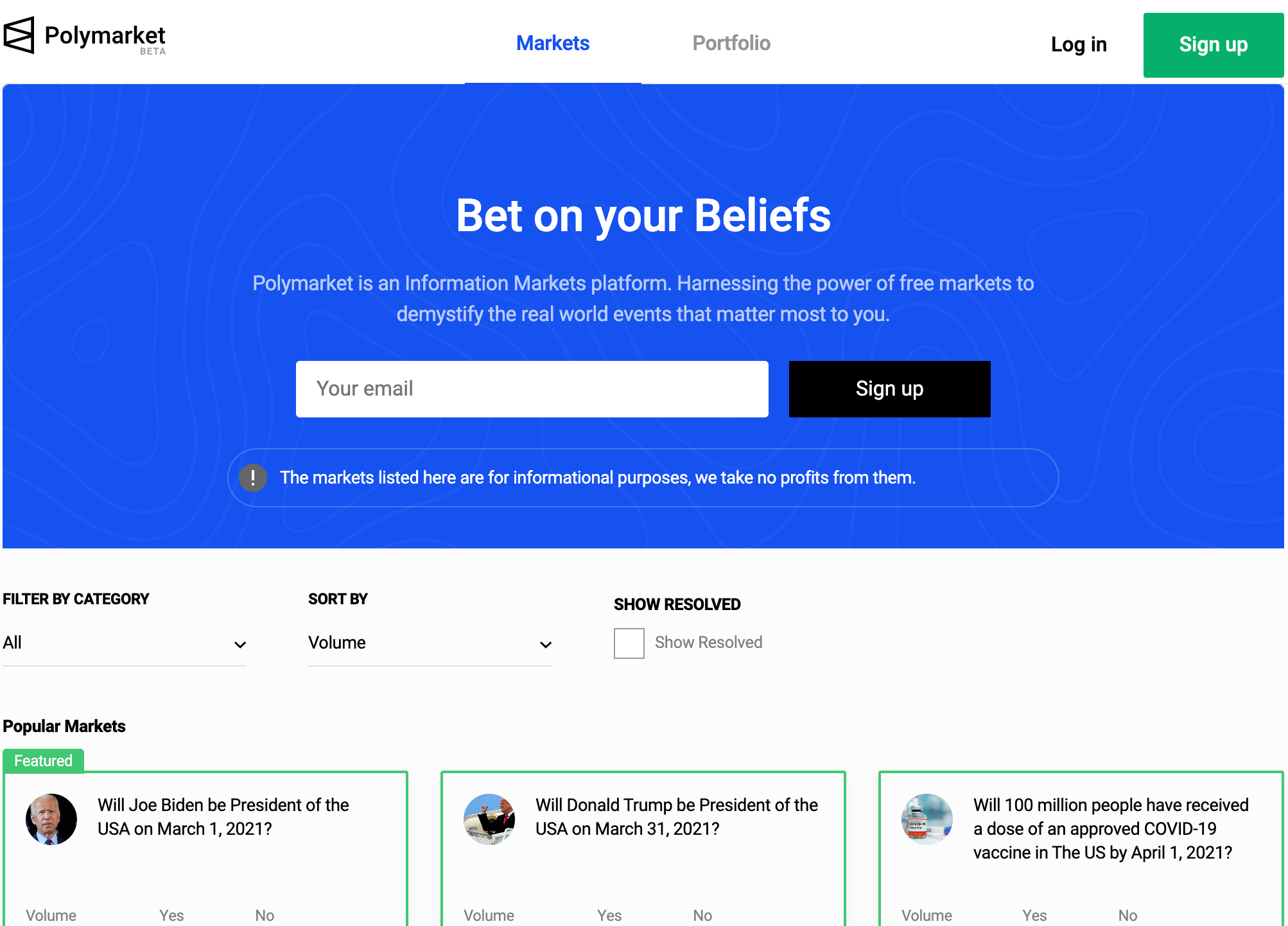
Polymarket began from humble beginnings. The legend has it that Shayne Coplan, then 22, started the company from his bathroom in the middle of the COVID-19 pandemic.
He had already been involved with crypto during his teenage years, and he knew about projects like Augur among others that appeared during the ICO boom.
Bayesian Supercycle is a reader-supported publication. To receive new posts and support my work, consider becoming a free or paid subscriber.
Realizing the need for an epistemic forecast on when “NYC would reopen,” he coded Polymarket, initially a single-page site to wager on the end of the shutdown.
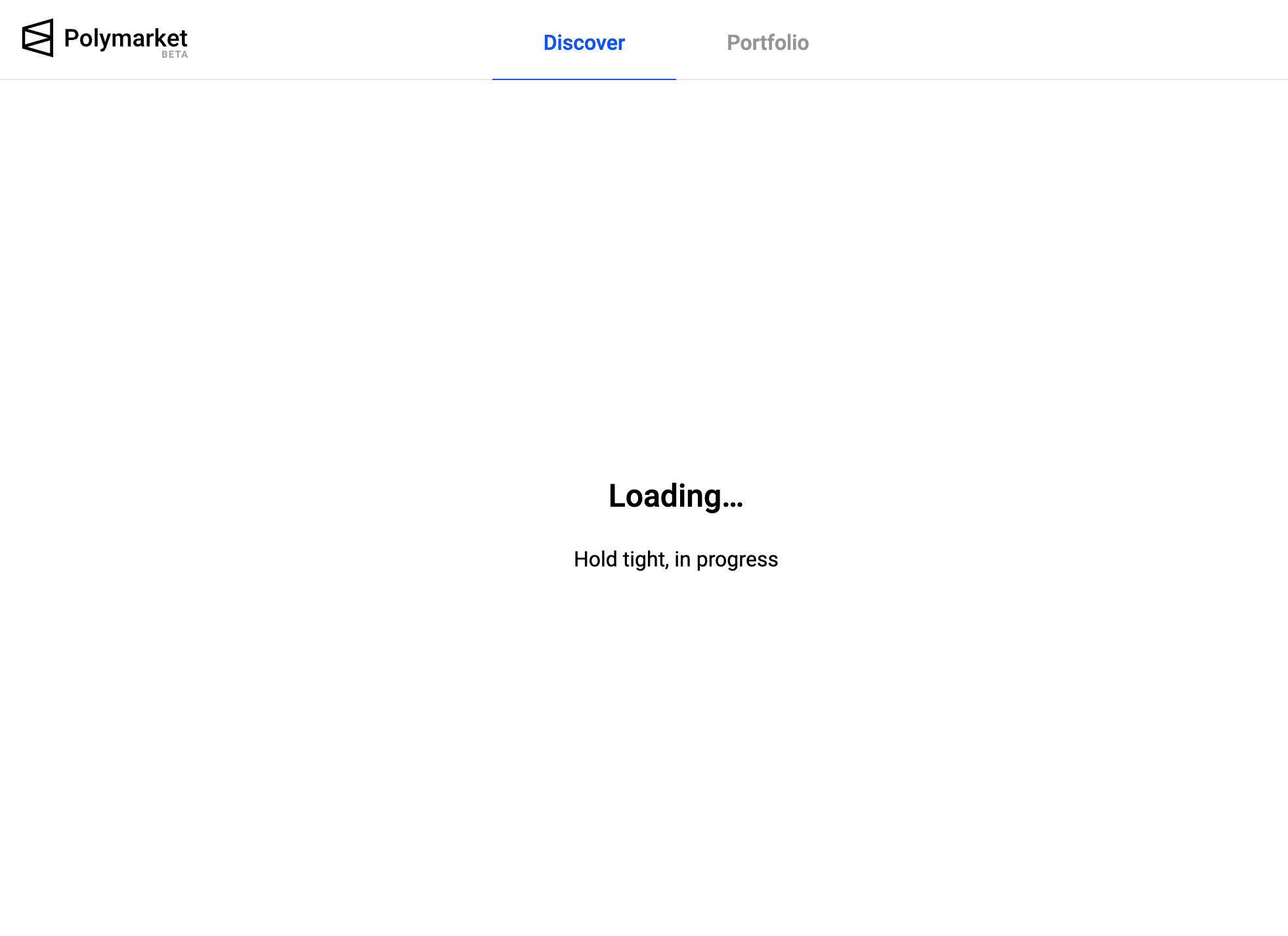
Polymarket was a product of the DeFi (Decentralized Finance) era. Polymarket was never supposed to be an exchange or any sort of controlling institution — it never would have survived in the crypto world — it was always seen as an open-ended protocol for epistemic forecasting.
With yesterday’s introduction of fees, Polymarket cements itself as more of a megacorp rather than a crypto project. They have every right to decide to make money, but it was at the expense of the market signal, which in my view is a severe detriment to the utility of the product.
This is for a couple of reasons:
Fees create what’s known as a “no-trade zone.” Say the market price is 58% and you think that the real market price is 59%. If there’s a 1% fee, there’s no point in doing the trade.
Order books behave weirdly because sellers need a premium and buyers need a discount, so the order book midpoint can behave weirdly depending on which side is more active.
Perhaps most importantly, fees penalize belief updating. Without fees, traders can routinely adjust their positions as new information is revealed. Now, each adjustment is going to have a cost, meaning that traders are going to be less willing to respond to small updates, instead entering the market once and holding to settlement. This creates a more rigid and less accurate price.
These aren’t just made-up points — Polymarket as of today still has a lower (better) Brier score than Kalshi.
Not only will it worsen the signal, it’ll bring prediction markets closer to the institutions they never intended to be. Taking a % fee off of every trade is essentially a different way of taking a vig (inflating prices so you pay more than your shares are worth, which is how sportsbooks like FanDuel make money).
My opinion is that this is not going to impact Polymarket’s volume or business, but it will impact the price signal. And yes, I have put my money where my mouth is.
It’s the end of an era.

Bayesian Supercycle is a reader-supported publication. To receive new posts and support my work, consider becoming a free or paid subscriber.